Door Jamb Rot: Repair, Section Replacement, or New Frame?
Quick answer
Use epoxy only for limited, dry, noncritical jamb damage with sound wood behind it. Choose a fitted section, a complete jamb, or a prehung frame as decay spreads into fasteners, the latch area, threshold, or rough opening.
Common questions
- Can you fill a rotted door jamb with epoxy?
- Only when the decay is localized, the moisture source has been corrected, the remaining wood is sound, and the area is not relied on for hinges, strike attachment, security, structural support, or critical water management. Follow the repair-system instructions.
- When should a rotted door frame be replaced?
- Replacement is the safer scope when decay spreads beyond a small section, returns after prior repair, affects fasteners or latching, reaches the sill or rough opening, or prevents the door from sealing and operating reliably.
Source note: Reviewed against current Therma-Tru installation and frame resources plus System Three epoxy guidance. The exact door system instructions, site conditions, and local requirements control the repair.
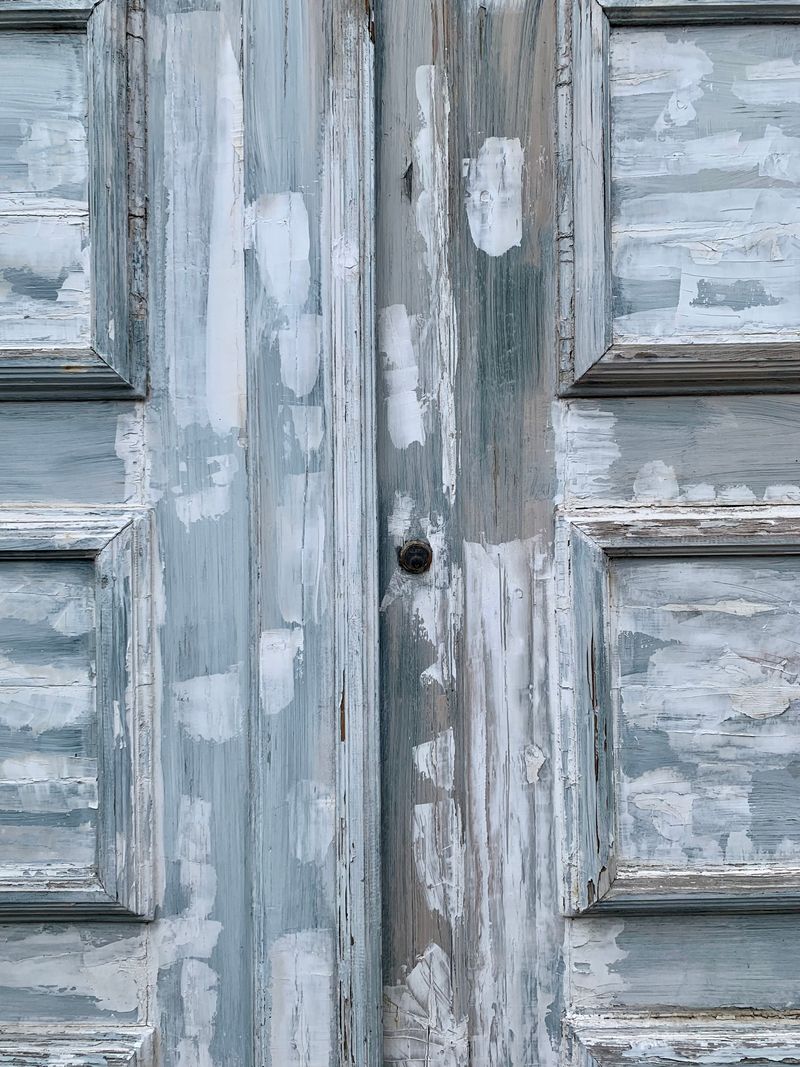
A soft spot at the bottom of a door jamb can be a small finish-carpentry repair—or the visible edge of a wet wall opening. The important decision is not which filler is easiest to shape. It is whether sound material still carries the door, holds the hardware, manages water, and keeps the opening secure.
Start by finding and stopping the moisture. Then choose among four genuinely different scopes: epoxy repair, a fitted wood section, jamb replacement, or complete prehung-frame replacement.
Door jamb rot repair options at a glance
| Existing condition | Scope to evaluate | Main limitation |
|---|---|---|
| Finish failure or staining; wood remains hard and dry | Clean, dry, refinish, and renew compatible sealant as needed | A coating does not repair decay |
| Small, dry, noncritical pocket with sound wood around and behind it | Epoxy consolidation and compatible fill | Not a substitute for reliable fastener, latch, security, or structural material |
| Localized decay that can be cut back to sound endpoints | Dutchman or section replacement | Joint design, grain, sealing, and jamb geometry must be controlled |
| Decay affects much of one or more jamb legs but the rest of the opening is serviceable | Jamb or frame-component replacement | Threshold, weatherseal, hinge, strike, and trim compatibility must be verified |
| Damage reaches the sill system, several frame parts, or door-system geometry | Complete prehung-frame replacement | The exposed rough opening may still require separate repair |
Probe, measure, and open enough of the assembly to find the real boundary of the damage.
Diagnose the moisture source before cutting
Rot needs sustained moisture. If the source remains, a neat repair simply hides the next failure.
Inspect the opening during or soon after rain when possible. Work from top to bottom and look for:
- Failed head flashing, drip cap, cladding joints, or trim joints above the door
- Open seams where brickmould meets the jamb, sill, or exterior finish
- A cracked threshold, failed corner seal, loose sill, or missing drainage path
- Worn weatherstripping, a damaged door sweep, or water driven past the closed door
- Splashback from paving, a low landing, high soil, or a downspout discharge
- Interior condensation or plumbing moisture near the opening
- End grain that was never sealed or fastener holes that admit water
Do not assume the lowest soft spot is the entry point; water can travel behind casing or down a jamb. A moisture meter can compare the suspect area with known-dry material of the same species, but its reading is not a universal pass/fail number. Avoid sealing wet material inside the assembly.
Therma-Tru’s current installation resources emphasize plumb, level, square, accurate measurement, and professional help. Water damage and movement often appear together.
Inspect the entire door system
Rot rarely respects a convenient trim line. Document each connected component before defining the repair.
Jamb, brickmould, and casing
Probe discolored wood gently and map softness beyond the visible edge. Brickmould can decay independently, but damage at its joint with the jamb may lead behind both pieces. Interior casing can conceal water tracks, corroded fasteners, and damaged shims or framing.
Sill, threshold, and weatherseal
Check the jamb-to-sill corners, sweep contact, weatherstrip compression, and any product-specific corner pads or seals. A loose or deflected threshold can indicate failed support below it; a jamb patch does not correct that larger failure.
Hinges, fasteners, latch, and strike
Open the door through its full travel. Look for hinge movement, loose screws, rub marks, a changing reveal, and a latch that only catches when the door is lifted or pushed. Do not use cosmetic filler as the primary holding material for required fasteners or a compromised strike.
Rough opening and hidden substrate
Soft shims, stained framing, deteriorated sheathing, mold-like growth, insect damage, or a moving subfloor take the project beyond a surface jamb repair.
When a cosmetic finish repair is enough
Peeling finish and water staining are not automatically rot. If the wood is hard, dimensionally stable, dry after the source is corrected, and free of active decay, the scope may be surface preparation and refinishing.
Minwax’s old-finish repair guidance covers sanding failed finish from water-stained wood and applying stain and protection. That is a workflow for sound wood—not permission to coat over soft fibers. For preparation fundamentals, see our wood finishing guide.
When epoxy consolidation and fill can fit
An epoxy system can preserve a shaped or difficult-to-replace section when all of these conditions are true:
- The affected pocket is limited and accessible.
- The moisture source is identified and corrected.
- Decayed material can be removed as directed, leaving sound wood around and behind it.
- The area is not critical to hinge, strike, threshold, security, structural, or water-management performance.
- The repair can be sealed, finished, inspected, and maintained.
System Three describes RotFix as a consolidant and primer for deteriorated wood, but also states that the product does not kill rot fungus or prevent its return. Its critical-repair guidance tells users to consult a structural engineer before a critical structural repair.
Use a complete, compatible repair system exactly as directed. A shallow cosmetic skim over damp, punky wood is not consolidation.
When to install a Dutchman or replacement section
A Dutchman repair removes the damaged length and fits a new section back to sound wood. It is often appropriate when decay is localized near the bottom of one jamb leg and the remaining jamb, sill relationship, and rough opening are serviceable.
The carpenter must preserve the stop, weatherstrip surface, jamb depth, reveal, and trim plane. End grain and every exposed cut require the specified sealing treatment. Lay out from consistent reference faces; the marking and measuring tools guide can prevent transfer errors. Increase the scope if the cut crosses a strike, hinge, major fastener zone, or uncertain damage.
When to replace the jamb or complete frame
Replace a jamb or major frame component when decay is too extensive for reliable endpoints but other coordinated parts can remain. Verify that replacement components match the slab thickness, hinge and strike locations, jamb depth, threshold, weatherseal, handing, and finish system.
A fully composite frame can be a moisture-resistant option in a compatible door system. Therma-Tru says its specific composite door frame resists moisture absorption and rot; that claim applies to that product, not to every frame sold as composite.
Choose a complete prehung-frame replacement when deterioration crosses several components, the threshold or weatherseal system has failed, alignment is poor, or the door and frame need to be treated as one assembly. Our prehung vs. slab door guide explains the larger replacement boundary.
Include rough-opening correction, flashing, air sealing, trim, wall finish, floor transitions, and disposal in the complete-frame scope where required.
Stop and hire a qualified contractor when
Pause the DIY repair if:
- The door will not latch or lock reliably.
- Hinge or strike fasteners no longer hold in sound material.
- The threshold, sill support, subfloor, framing, or sheathing is soft or moving.
- Water continues to enter and its source is unclear.
- Decay returns after a prior patch.
- The opening may be fire-rated, impact-rated, part of an egress path, or subject to special local requirements.
- Mold-like growth, extensive wet materials, or insect damage extends beyond the jamb.
- The door is unusually heavy, has sidelites, or uses a multipoint locking system you cannot safely support and realign.
Therma-Tru’s FAQ directs owners to local professionals and code officials for product, warranty, and jurisdiction-specific questions. Confirm the instructions and approvals for the actual door system before modifying it.
Door jamb rot quote checklist
Ask each contractor to define the same boundary so the quotes are comparable:
- Identified moisture source and the work included to correct it
- Components to be removed, repaired, or reused
- Whether casing will be removed to inspect the rough opening
- Epoxy system, replacement material, or door-system manufacturer and model
- Treatment of jamb, brickmould, sill, threshold, weatherseal, and exposed end grain
- Hinge, latch, strike, lock, and fastener work
- Flashing, sealant, insulation, drainage, and trim details
- Interior and exterior finish scope
- Allowance or change-order method for hidden substrate damage
- Site protection, disposal, testing, warranty, and follow-up inspection
Cost drivers include damage depth, access, door configuration, preserved trim, finish matching, hardware, rough-opening repairs, and water management. A price without a written scope may compare a small patch with a complete opening repair.
Repair the cause and the assembly
The smallest durable repair is the right repair. Fix the water source first, verify sound material second, and choose the repair third. Once decay affects attachment, security, the threshold, multiple components, or hidden substrate, replacement becomes the responsible scope.

The Carpenter's Guide Editorial Team
Independent trade-focused editorial team